

What should they prioritise: protection or presentation?
They should prioritise protection first, then presentation. A gorgeous box is pointless if the cupcakes arrive damaged, especially with buttercream swirls and tall toppings.
For delivery, a snug fit, strong board, and inserts matter most. For gifting, finishes like windows, colour, and branding matter, but only after the structure is reliable.
Which cupcake box size is the right fit?
The right fit is the one that stops movement without squashing the frosting. Standard cupcake boxes are often sold for 1, 2, 4, 6, and 12 cupcakes, but “standard” varies by bakery.
They should measure cupcake base diameter and frosting height, then choose a box with enough headroom. If the lid presses the swirl, the box is too shallow even if the base fits.
Do they need inserts, dividers, or holders?
Yes, for delivery they usually do. Inserts or holders keep each cupcake in place and prevent side-to-side knocks, which is where most icing damage happens.
Dividers help with larger boxes, but a proper cupcake insert is better because it grips each base. For gifting, inserts still help the presentation because cupcakes sit straight and look intentional when the box opens.
What materials work best for delivery?
Sturdy paperboard or corrugated cardboard is usually the safest choice. It holds its shape, stacks better, and protects against light bumps during transport.
If they deliver frequently, thicker board is worth it. Flimsy boxes collapse at corners, which can smear frosting against the lid. They should also consider food-safe liners or coatings if grease marks might show through.
Is a window box a good idea for cupcakes?
A window box is a good idea for gifting and counter display because it shows the cupcakes without opening the lid. It also makes the box feel more premium.
For delivery, windows are fine if the film is strong and sealed properly. They should avoid weak windows that bow inward, especially if cupcakes are tall, because the film can touch frosting.
How can they make cupcake boxes travel-ready?
They should choose boxes that close securely and stay closed during handling. Tuck-in flaps can work, but stronger locking tabs or tight-fitting lids reduce the risk of popping open mid-journey.
If they use third-party couriers, travel-ready means more protection: thicker board, inserts that grip well, and minimal empty space. A simple shake test helps: if cupcakes move, the box is not delivery-ready.
Other Resources : Funding is icing on the cake for Pete’s business
What is the best option for tall frosting and toppers?
They should look for deep or tall-lid cupcake boxes. Tall buttercream swirls, macarons, chocolate shards, or toppers need extra clearance so nothing touches the lid.
If they cannot find the right height, a standard box can ruin the finish in seconds. In that case, a taller box with a strong insert is the safer compromise, even if it costs a little more.
How should they choose boxes for hot or cold weather?
They should expect heat to soften frosting and cold to cause condensation. Boxes cannot fix temperature, but the right design reduces problems.
For heat, ventilation is less important than stability, because softened frosting smears easily. For cold, they should avoid sealing warm cupcakes into airtight boxes, which traps steam. Cooling cupcakes fully before boxing prevents most condensation issues.
Does branding matter when boxes are for gifting?
Yes, branding matters because the box is part of the gift. A clean logo sticker, branded sleeve, or printed box can make a small order feel premium without changing the cupcakes.
They should keep branding readable and minimal, especially on window boxes. If the cupcakes are the hero, the packaging should frame them, not compete with them.
What box style feels most “giftable”?
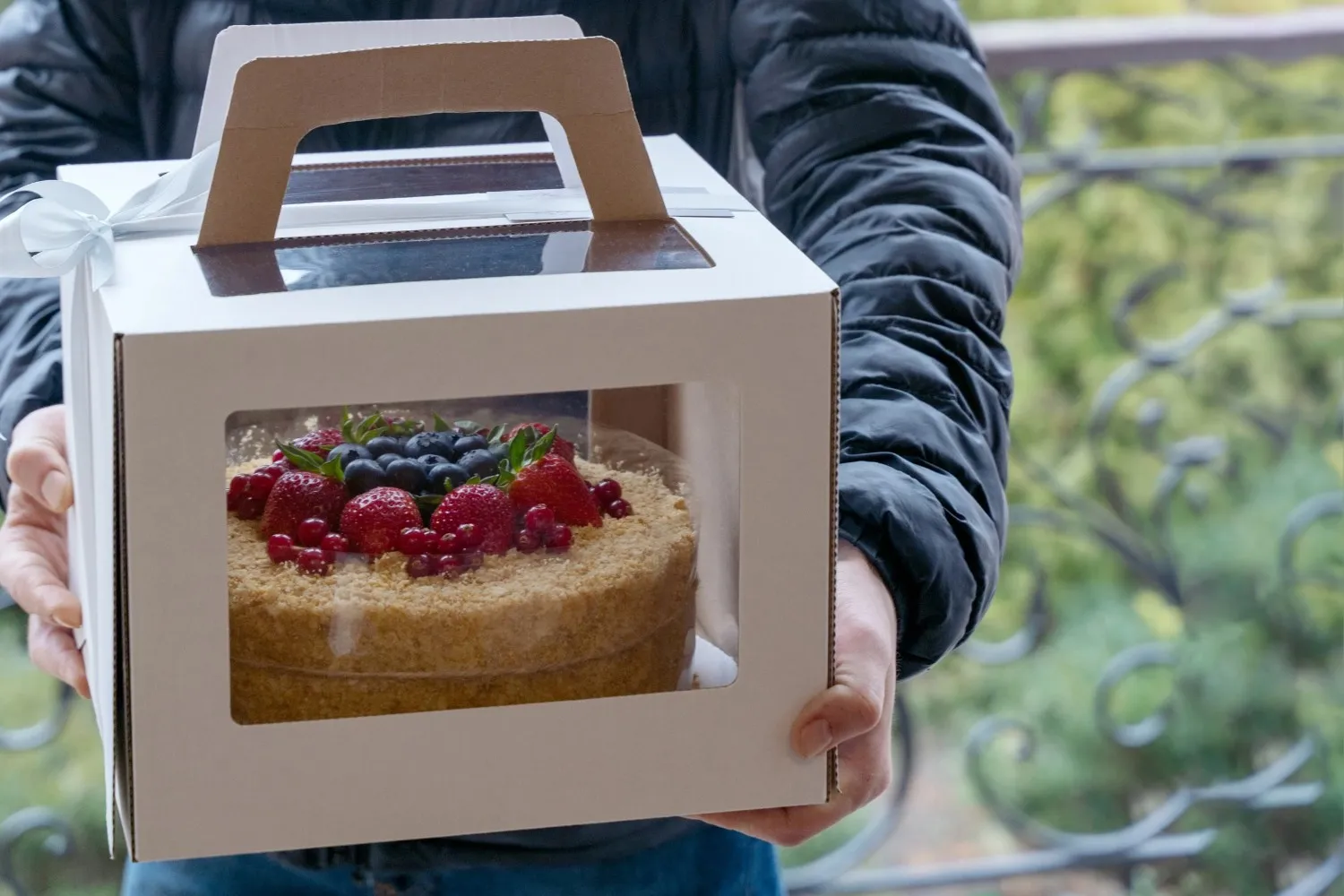
Rigid-looking boxes, neat windows, and tidy handles feel giftable because they look like they were designed for presentation. A simple ribbon or belly band can elevate plain kraft boxes quickly.
They should also think about how the recipient carries it. A handle can help, but only if the base is strong enough that it does not flex while being held.
How can they avoid the most common cupcake packaging mistakes?
They can avoid most issues by testing before committing to bulk orders. The most common mistakes are choosing a box that is too shallow, skipping inserts, and using board that is too thin for stacking.
They should also avoid boxing cupcakes too soon. Warm cupcakes create moisture, and moisture ruins liners, softens boxes, and makes presentation look messy.
What quick checklist helps them choose the right cupcake boxes?
They should match the box to the cupcake and the journey. A short checklist keeps the decision simple:
- Does the cupcake base fit snugly in an insert?
- Is there enough height for frosting and toppers?
- Does the box stay rigid when lifted from the base?
- Will it stack without crushing corners?
- Does the presentation match the occasion, especially for gifting?
If they get those right, cupcakes arrive clean, look impressive, and feel genuinely gift-worthy.
Related : Sustainable Gifting: How to Choose Eco-Friendly Hampers
FAQs (Frequently Asked Questions)
What should I prioritise when choosing cupcake boxes: protection or presentation?
Prioritise protection first, then presentation. A beautiful box is useless if the cupcakes arrive damaged, especially with delicate buttercream swirls and tall toppings. For delivery, focus on a snug fit, strong board, and inserts. For gifting, finishes like windows, colour, and branding matter but only after ensuring the box structure is reliable.
How do I select the right size cupcake box?
Choose a box that stops movement without squashing the frosting. Measure your cupcake base diameter and frosting height, then pick a box with enough headroom. If the lid presses against the swirl, the box is too shallow even if the base fits. Standard boxes vary by bakery and are commonly sized for 1, 2, 4, 6, or 12 cupcakes.
Are inserts or dividers necessary for cupcake boxes?
Yes, especially for delivery. Inserts or holders keep each cupcake securely in place and prevent side-to-side knocks that often damage icing. Dividers help with larger boxes but proper cupcake inserts are better as they grip each base firmly. For gifting, inserts also enhance presentation by keeping cupcakes upright and looking intentional when opened.
What materials are best for cupcake boxes used in delivery?
Sturdy paperboard or corrugated cardboard is usually safest as it holds shape well, stacks better, and protects against light bumps during transport. For frequent deliveries, thicker board is recommended since flimsy boxes can collapse at corners causing frosting smudges. Also consider food-safe liners or coatings to prevent grease marks from showing through.
Is using window boxes suitable for cupcakes?
Window boxes are excellent for gifting and counter display because they showcase cupcakes without opening the lid and add a premium feel. For delivery, windows work if the film is strong and sealed properly; avoid weak windows that bow inward as they can touch tall frosting and damage it.
How can I make cupcake boxes travel-ready for delivery?
Choose boxes that close securely and stay closed during handling—strong locking tabs or tight-fitting lids reduce risks of popping open mid-journey better than tuck-in flaps. Use thicker board and well-gripping inserts to minimise movement inside the box. Perform a simple shake test: if cupcakes move inside, the box isn’t ready for travel.